
Product Personalizer Template Creation Service

About this service
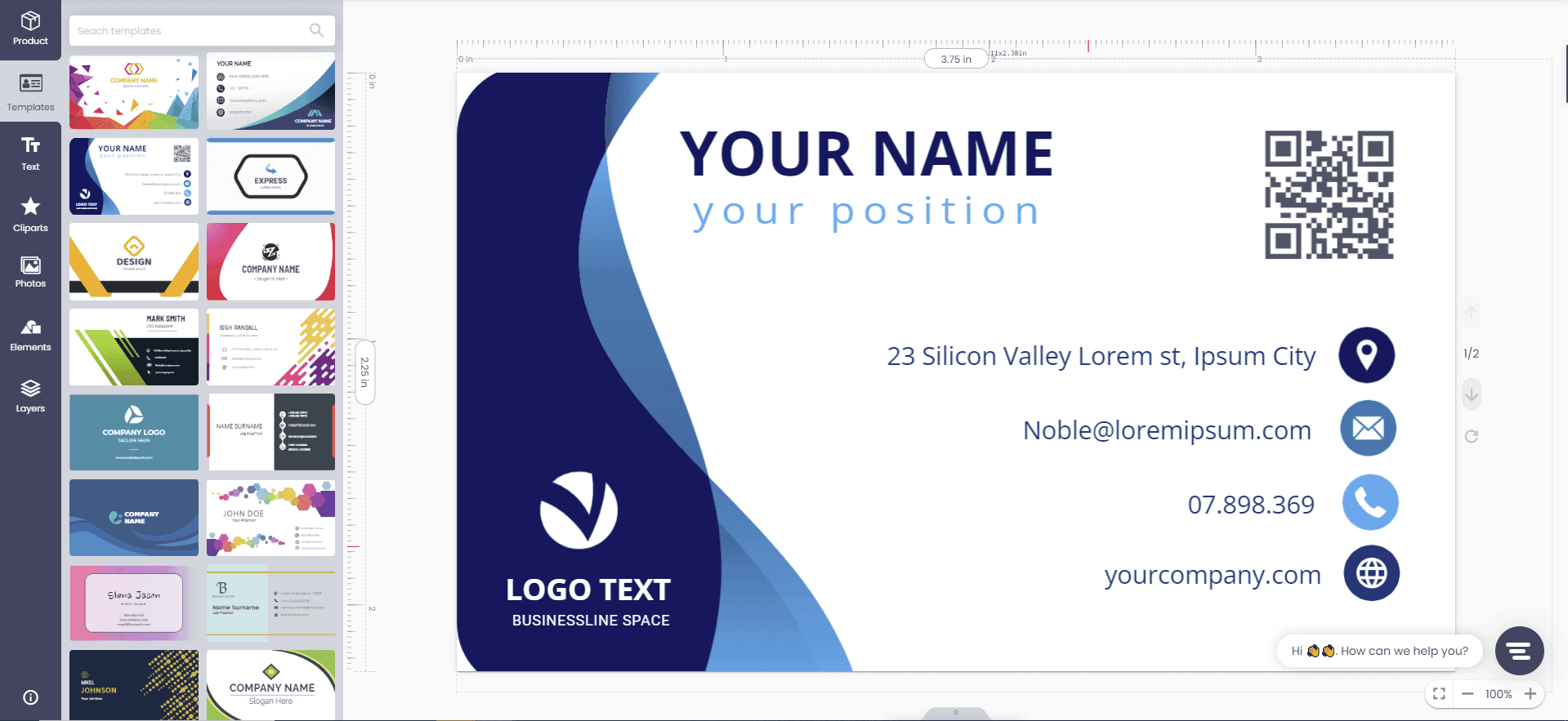
Product Personalizer Template Creation Service helps POD brands, local printers, gift stores, and ecommerce teams turn selected products into customer-editable design workflows. Printcart prepares template structure, print areas, text and image controls, clipart and font rules, upload guidance, preview behavior, and production file expectations for products such as apparel, mugs, labels, cards, photo items, and personalized gifts. This service is useful when the product already exists but the editable experience still feels risky, confusing, or too manual for repeat orders. The goal is not to replace production review; it is to give customers a clearer way to personalize products and give the fulfillment team cleaner design data to inspect, approve, and produce where the workflow supports it.
Who this service is for
This service is for teams selling products that need customer input before production. That can include a POD seller offering personalized shirts, a printer selling business cards and labels, a gift store preparing holiday templates, a photo product seller adding names and dates, or an ecommerce team that wants customers to upload artwork before checkout. It is also useful for stores that have products live already but receive too many emails asking where to place text, what image size to upload, or how the final design will look.
The problem it solves
Product setup and product designer setup are different tasks. A product can have a title, price, image, and variant choices, yet still lack a usable personalization workflow. Customers need to know what they can edit. The store needs guardrails for text, image uploads, print areas, and preview behavior. Production needs design output that can be reviewed against real size, placement, and file requirements. Without those pieces, the team may spend time correcting spelling, moving artwork, requesting higher-resolution files, or explaining the same personalization steps after every order. Printcart helps convert product intent into a clearer design workflow.
What Printcart configures or delivers
Printcart can help define editable areas, configure templates for selected products, map customer input fields, set practical text and image rules, organize fonts and cliparts, prepare upload guidance, and test the preview and output flow. For catalog teams, the work can start with a limited launch group, such as shirts, mugs, cards, or labels, then repeat the pattern for more products. For production teams, the service documents what customers can change and what staff should inspect before a file is approved for print.
What customers can edit
- Text fields such as names, dates, team names, company names, messages, or product-specific labels.
- Image areas for logos, photos, artwork uploads, or design elements selected from approved assets.
- Template choices such as layout, color accents, clipart, or design variations where the product supports them.
- Personalization options that connect to order data, such as size, side, material, or print location.
What production receives
The production side should receive a more organized view of the customer design, selected options, and required review points. Depending on the store configuration, that may include preview output, production files, customer notes, and structured product choices. Printcart keeps the claim cautious: the setup can support a print-ready workflow, but artwork quality, color handling, material constraints, and unusual customer uploads may still need human or production review before fulfillment.
Workflow impact for custom products
A better personalizer setup helps customers complete the design without leaving the product page to ask basic questions. It also helps support staff answer with consistent rules instead of improvising. Designers and production operators can see which parts of the template were meant to move and which parts should remain locked. For managers, the biggest benefit is repeatability. Once the team agrees on how a product type should be configured, new products can follow the same pattern with fewer one-off decisions.
Client inputs needed
Prepare product dimensions, printable areas, safe area notes, sample artwork, template references, fonts, brand assets, clipart collections, product categories, priority products, and examples of customer personalization requests. If you already have reprint issues, include the order examples and explain what failed, such as low-resolution uploads, text outside the safe area, wrong side selection, or unclear preview approval.
Related Printcart resources
- Printcart services hub for related catalog, setup, and integration support.
- Personalized gifts workflow guide for planning editable products around real customer intent.
- Personalized product setup guide for template and design-area preparation.
Q&A
Do we need finished artwork before starting?
You should provide product dimensions, print areas, brand assets, and representative artwork. Final artwork for every future product is not required, but the first templates need enough detail for Printcart to configure realistic controls and review output.
Can customers upload any file they want?
The store can provide upload guidance and rules, but not every customer file will be suitable for production. Low-resolution images, poor crops, unsupported formats, or unusual artwork may still require review or a corrected file.
Is this the same as adding variants and prices?
No. Variants and prices define what the customer buys. Product personalizer setup defines how the customer edits the design and what production receives for review and fulfillment.
Can we start with a small product group?
Yes. Many teams start with the highest-priority products, test the customer edit flow, and then extend the pattern to related products after the workflow is proven.
CTA
Request a product personalizer setup review when your templates, print areas, upload rules, or preview flow need to become clearer before more personalized orders reach production.
We create professional, print ready templates tailored to your products and audience. With our service, your customers can customize faster, avoid mistakes, and enjoy a seamless design experience that drives more sales.
How this engagement works
Discovery
We assess your brand identity, product range, and template needs.
Planning
Our team outlines template types, categories, and design goals.
Creation
We build professional, print-ready templates tailored to your products.
Review & Training
Walkthrough session via Google Meet/Zoom to train your staff on using and editing templates.
Delivery & Support
Templates are delivered, applied to your store, and supported with daily live chat for smooth adoption.
What's included
Terms for this service
Terms of Service for the Custom Design Template Creation with Printcart Product Designer service.
I’ve kept it professional, client-focused, and in bullet list format for clarity.
Scope of Work
- Printcart will design and deliver custom product templates tailored for the Printcart Product Designer.
- Includes consultation, design setup, and staff training.
- Work outside agreed scope (e.g., new branding, third-party design systems) will require a separate agreement.
Delivery Timeline & Milestones
- Starter Pack: 3–5 business days
- Growth Pack: 7–10 business days
- Pro Pack: 10–14 business days
- Delays in client feedback or asset delivery may extend timelines.
Communication and Support
- All communication via the Printcart Ticket System and email.
- Scheduled training sessions through Google Meet or Zoom.
- Daily live chat with your assigned Account Manager during the support period.
Ecommerce Payment Terms
- Payment must be made in advance through the Printcart Payment Page.
- Accepted methods: Credit/Debit Card, PayPal, Bank Transfer.
- Work begins after payment confirmation.
Warranty and Bug Fixes
- Templates are tested for compatibility with the Printcart Online Designer.
- Any bugs or rendering errors related to our work will be fixed free of charge within 30 days.
- Issues caused by third-party plugins, hosting, or client changes are not covered.
Custom Development & Updates
- Requests for seasonal templates, multi-vendor packs, or automation features will be quoted separately.
- Maintenance fees may apply to keep templates compatible with future Printcart updates.
Client Responsibilities
- Provide timely access to the Printcart Dashboard.
- Share brand assets such as logos, fonts, and colors before design begins.
- Attend scheduled review meetings and approve drafts promptly.
Third-Party Licenses
- Client must supply or purchase any required fonts, stock images, or licensed content.
- Printcart is not responsible for license restrictions or external asset costs.
Change Requests & Scope Adjustments
- All change requests must be logged through the Printcart Ticket System.
- Additional costs and timeline adjustments may apply.
- Work will only proceed after written confirmation from both sides.