Creating branded merchandise is a strategic approach to promote your business and increase brand visibility. By carefully selecting and customizing items... This guide shows the practical setup decisions, Printcart tools, and production checks needed to apply it.
Key takeaways
In a crowded marketplace, creating a strong brand presence is crucial for businesses to stand out and connect with their target audience. One effective way to achieve this is through the creation of branded merchandise. Branded merchandise serves as a tangible representation of your brand, allowing customers to interact with your brand beyond the digital realm. Whether it's a custom t-shirt, a branded mug, or a stylish tote bag, these items not only promote your business but also foster a sense of loyalty and affinity among customers. In this introduction, we delve into the world of creating branded merchandise and explore its benefits and strategies for success.
Overview of branded merchandise
What is branded merchandise?
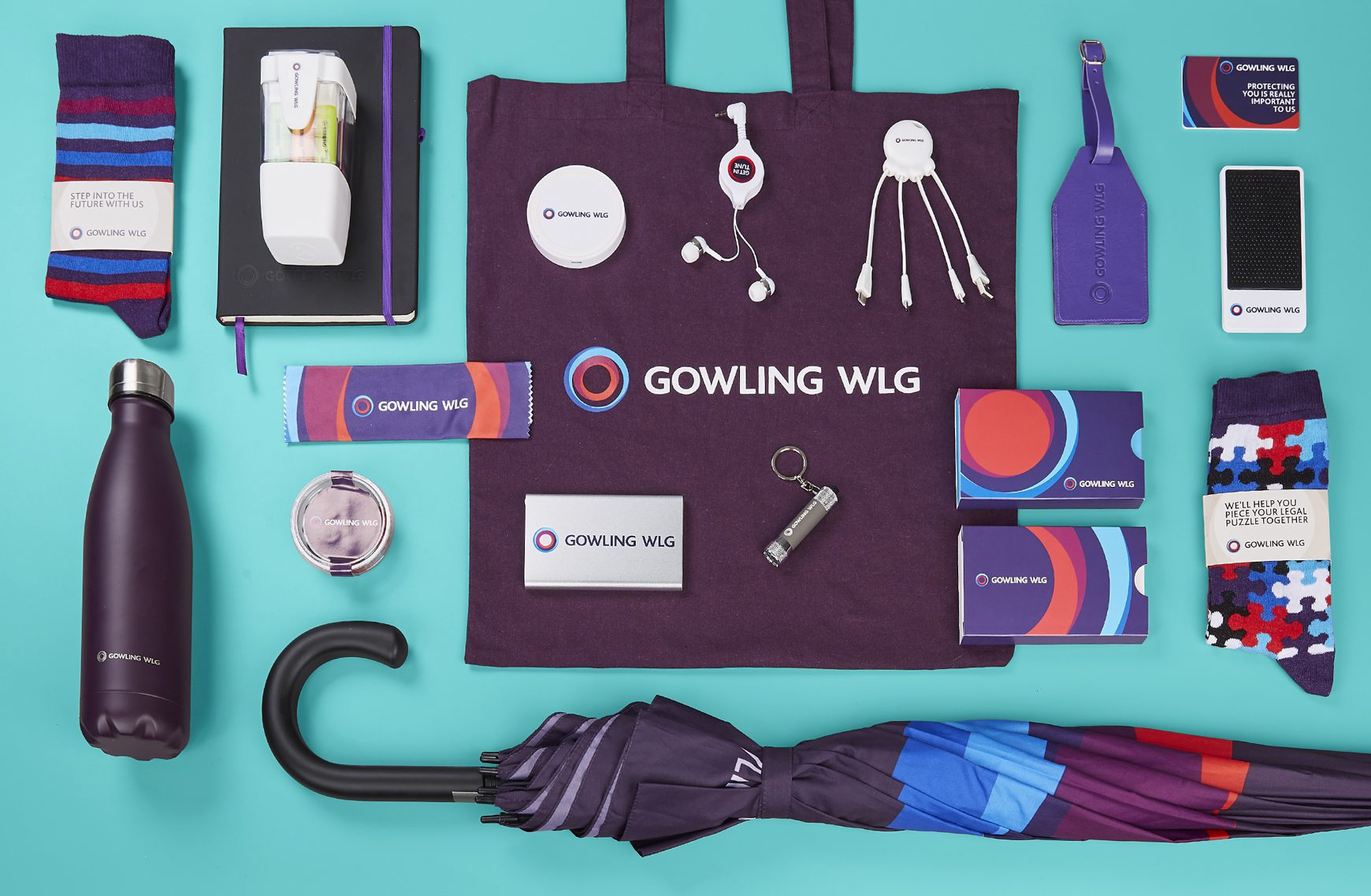
Branded merchandise refers to productst hat are customized with a company's logo, name, or other branding elements. These items are typically used for promotional purposes or as a way to create brand awareness and loyalty among customers and employees.
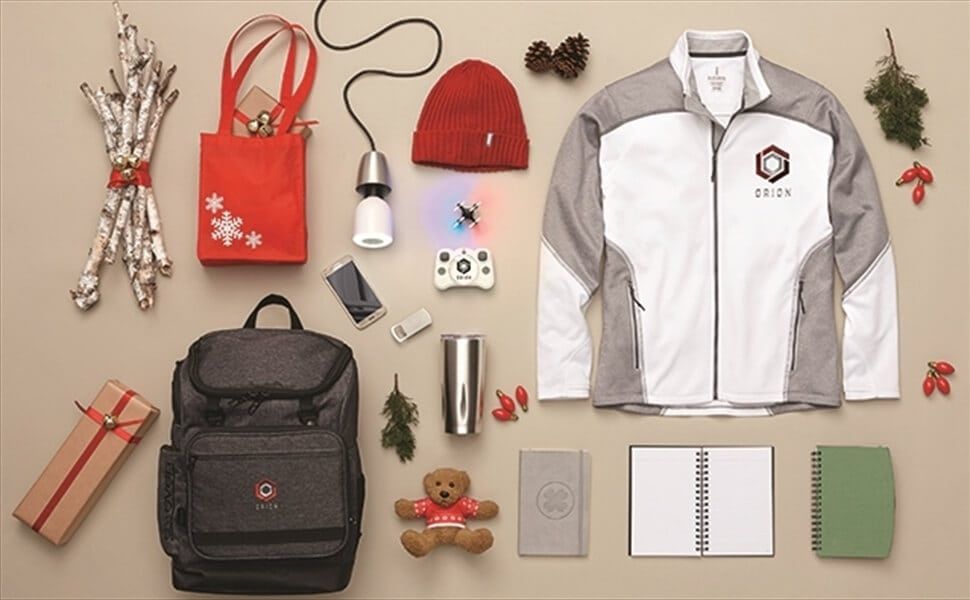
Branded merchandise can include a wide range of products, such as clothing (t-shirts, hats, jackets), accessories (bags, keychains, pens), technology items (phone cases, USB drives), drinkware (mugs, water bottles), and more. The customization can be done through methods like screen printing, embroidery, engraving, or digital printing.
Companies use branded merchandise as a marketing tool to increase brand visibility, create a positive brand image, and foster a sense of connection with their target audience. It can be distributed at events, trade shows, conferences, or as part of promotional campaigns. Branded merchandise can also be used internally within a company to boost employee morale and create a sense of unity.
By offering branded merchandise, companies can extend their brand reach, increase brand recognition, and create a lasting impression on customers and employees. It serves as a tangible representation of the brand and can help reinforce brand identity and values.
Purpose of branded merchandise
The purpose of branded merchandise is multi-fold. It serves as a tangible representation of your brand and acts as a promotional tool to increase brand visibility and recognition. Branded merchandise allows businesses to extend their brand beyond traditional marketing channels and create a physical connection with their audience. It helps to foster customer loyalty by providing a positive and memorable experience. Additionally, branded merchandise can serve as a cost-effective marketing strategy, as it can genera te brand impressions and exposure over an extended period of time. Overall, the purpose of branded merchandise is to promote and strengthen your brand, engage customers, and ultimately drive business growth.
Types of branded merchandise
Apparel
This includes t-shirts, polo shirts, hats, jackets, and other clothing items that are customized with the company's logo or branding. Apparel is a popular choice for promoting a brand as it can be worn by both employees and customers, increasing brand visibility.
Accessories
Branded accessories can include items like bags, backpacks, keychains, lanyards, wallets, and phone cases. These products are practical and can be used daily, ensuring that the brand's logo or name is consistently visible
Drinkware
Customized drinkware items like mugs, water bottles, tumblers, and coasters are popular choices for branded merchandise. These items are frequently used and can showcase the brand's logo or message every time they are used.
Stationery
Branded stationery items like pens, notebooks, sticky notes, and calendars are useful products that can be distributed to employees, clients, or at events. These items can help reinforce the brand's presence in daily activities.
Technology Accessories
With the increasing reliance on technology, branded merchandise in the form of phone cases, laptop sleeves, USB drives, or power banks can be effective in promoting a brand. These products are practical and offer visibility in the digital age.
Home and Lifestyle Products
Branded merchandise can also extend to home and lifestyle products such as mugs, coasters, blankets, towels, or even home decor items. These products can create a lasting impression by integrating the brand into the recipient's daily life.
Eco-Friendly Products
With growing environmental consciousness, eco-friendly branded merchandise is gaining popularity. This can include reusable bags, bamboo or stainless steel straws, recycled notebooks, or organic cotton apparel, showcasing the brand's commitment to sustainability.
Promotional Giveaways
Branded merchandise can also be used as promotional giveaways at events, trade shows, or conferences. This can include items like pens, keychains, stress balls, or small tech accessories that leave a lasting impression on potential customers.
The importance of merchandise in business

Brand Visibility
Branded merchandise acts as a walking advertisement for a business. When customers or employees wear or use branded items, it increases the visibility of the brand and helps to create awareness among a wider audience.
Brand Recognition
Branded merchandise helps to create a recognizable brand identity. When customers see the same logo or design consistently on merchandise, it reinforces brand recognition and makes the brand more memorable.
Marketing and Promotion
Branded merchandise serves as a cost-effective marketing tool. It can be used in promotional campaigns, events, trade shows, or as giveaways to attract new customers and retain existing ones. Merchandise acts as a tangible reminder of a brand and can generate word-of-mouth marketing.
Customer Loyalty
Offering branded merchandise to customers can help foster a sense of loyalty and connection to the brand. It creates a positive impression and shows appreciation, which can lead to repeat business and referrals.
Employee Morale and Unity
Branded merchandise can be used internally within a company to boost employee morale and create a sense of unity. When employees wear or use branded items, it instills a sense of pride and belonging, contributing to a positive work culture.
Differentiation
In a competitive market, branded merchandise can help a business stand out from the competition. Unique and well-designed merchandise can leave a lasting impression on customers and make the brand more memorable.
Customer Engagement
Branded merchandise can serve as a conversation starter and help initiate customer engagement. It can spark interest and curiosity, leading to conversations about the brand and its products or services.
Professionalism and Credibility
Branded merchandise adds a professional touch to a business. It conveys a sense of credibility and reliability, as customers perceive a branded company as being more established and trustworthy.
Who is responsible for branded merchandise?
Marketing Department
In many businesses, the marketing department takes the lead in managing branded merchandise. They are responsible for developing the overall brand strategy and ensuring that the merchandise aligns with the brand's identity and marketing objectives. The marketing team may work closely with designers, suppliers, and distributors to create and distribute the merchandise.
Brand Manager
Some companies have a dedicated brand manager who oversees all aspects of the brand, including branded merchandise. The brand manager ensures that the merchandise reflects the brand's values, maintains consistency, and contributes to the overall brand strategy. They may collaborate with various departments, such as marketing, design, and procurement, to execute branded merchandise initiatives.
Procurement or Purchasing Department
In larger organizations, the procurement or purchasing department may be responsible for sourcing and acquiring branded merchandise. They handle vendor selection, negotiate pricing and contracts, manage inventory, and ensure timely delivery of merchandise. The procurement team works closely with the marketing or brand department to align merchandise selections with the brand's guidelines.
External Agencies or Suppliers
Some businesses outsource the responsibility of branded merchandise to external agencies or suppliers specializing in promotional products and customization. These agencies or suppliers handle the entire process, from design to production and distribution, based on the company's requirements and guidelines.
Factors to consider before creating branded merchandise
Brand Identity and Objectives
Understand your brand's identity, values, and target audience. Determine how the branded merchandise will align with your brand's image and messaging. Consider the objectives you want to achieve through the merchandise, such as increasing brand visibility , fostering customer loyalty, or promoting a specific product or campaign.
Target Audience
Identify your target audience for the merchandise. Consider their demographics, preferences, and lifestyle to create merchandise that will resonate with them. The merchandise should be relevant and appealing to your target audience to maximize its impact.
Budget
Set a budget for creating and distributing branded merchandise. Determine the amount you are willing to invest and consider the potential return on investment. Balance your budget with the quality and quantity of merchandise to ensure you can achieve your objectives effectively.
Quality and Durability
Choose merchandise that is of good quality and durable. The merchandise should reflect positively on your brand and leave a lasting impression. Poor-quality merchandise can have a negative impact and may not be well-received by customers or employees.
Practicality and Usefulness
Consider the practicality and usefulness of the merchandise. Choose items that are relevant to your target audience's lifestyle or needs. Practical and useful merchandise is more likely to be used and seen by others, increasing brand visibility.
Design and Branding
Pay attention to the design and branding elements of the merchandise. Ensure that your logo, colors, and other branding elements are incorporated effectively. The design should be visually appealing, legible, and consistent with your brand's identity.
Distribution Strategy
Determine how and where you will distribute the merchandise. Consider events, trade shows, conferences, or promotional campaigns where the merchandise can be distributed effectively. Also, consider whether the merchandise will be given to customers, employees, or both.
Compliance and Legal Considerations
Ensure that your branded merchandise complies with legal requirements, such as copyrights, trademarks, and licensing agreements. Avoid using any copyrighted or trademarked materials without proper authorization.
Sustainability and Environmental Impact
Consider the environmental impact of the merchandise. Choose eco-friendly options, such as using recyclable materials or opting for sustainable production processes. This aligns with growing consumer concerns about sustainability and can enhance your brand's reputation.
Measuring Success
Determine how you will measure the success of your branded merchandise efforts. Set clear metrics and goals to evaluate the impact of the merchandise on brand visibility, customer engagement, and sales.
Steps to create branded merchandise
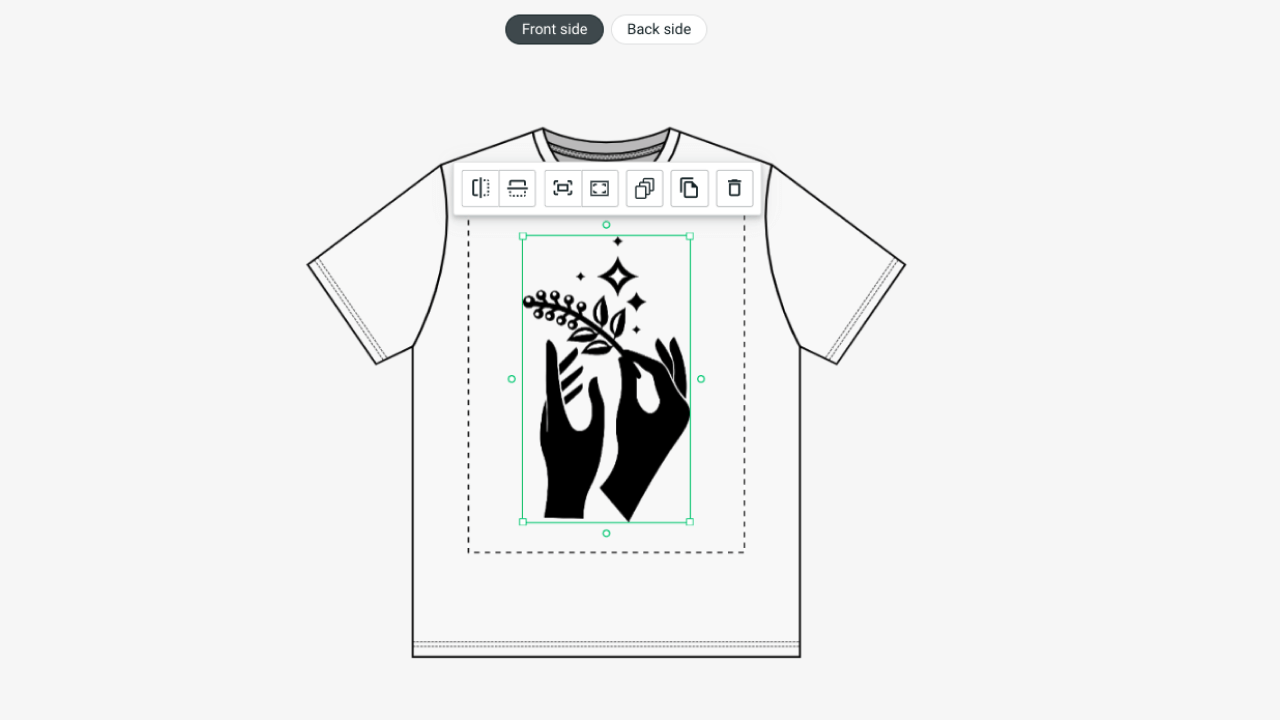
Creating branded merchandise involves several steps to ensure that the merchandise accurately represents your brand and meets your objectives. Here are the steps to follow:
Define Objectives
Determine the objectives you want to achieve through the branded merchandise. This could include increasing brand visibility, fostering customer loyalty, promoting a specific product or campaign, or enhancing brand recognition.
Identify Target Audience
Understand your target audience for the merchandise. Consider their demographics, preferences, and lifestyle. This will help you select merchandise that will resonate with them and maximize its impact.
Set Budget
Determine a budget for creating and distributing the branded merchandise. Consider the potential return on investment and allocate funds accordingly. This will help you make informed decisions about the quantity, quality, and customization options for the merchandise.
Select Merchandise
Choose the type of merchandise that aligns with your brand and objectives. Consider practicality, usefulness, and relevance to your target audience. Examples include apparel, accessories, drinkware, stationery, or technology accessories.
Design and Branding
Develop a design that effectively incorporates your brand's logo, colors, and other branding elements. Ensure the design is visually appealing, legible, and consistent with your brand's identity. If needed, enlist the help of a professional designer to create the artwork.
Find Suppliers
Research and identify reputable suppliers who can produce the merchandise. Consider factors such as quality, customization options, production time, and cost. Obtain samples or prototypes to assess the quality and ensure it meets your standards
Customize Merchandise
Work with the supplier to customize the merchandise with your branding elements. This may include printing, embroidery, engraving, or other customization methods. Provide clear guidelines and artwork files to ensure accurate reproduction of your brand on the merchandise.
Determine Distribution Strategy
Decide how and where you will distribute the branded merchandise. Consider events, trade shows, conferences, or promotional campaigns where the merchandise can be distributed effectively. Also, determine whether the merchandise will be given to customers, employees, or both.
Implement Distribution
Execute your distribution strategy by providing the branded merchandise to your intended recipients. This may involve setting up booths at events, including merchandise in customer orders, or distributing to employees at company events or through internal channels.
Evaluate and Measure Success
Continuously evaluate the impact and success of your branded merchandise efforts. Measure metrics such as brand visibility, customer engagement, sales, and feedback from recipients. Use this data to assess the effectiveness of your merchandise and make adjustments for future campaigns.
Tips to create branded merchandise
Clearly Define Your Brand
Before creating branded merchandise, have a clear understanding of your brand's identity, values, and target audience. This will guide your decisions in selecting merchandise and designing the branding elements.
Keep it Consistent
Ensure that the design and branding elements on the merchandise are consistent with your overall brand identity. Use your brand's logo, colors, fonts, and messaging consistently across different merchandise items.
Choose Quality Merchandise
Select merchandise that is of good quality and durable. High-quality merchandise not only reflects positively on your brand but also ensures that recipients will use and appreciate the items.
Make it Useful
Consider the practicality and usefulness of the merchandise. Choose items that are relevant to your target audience's lifestyle or needs. Useful merchandise is more likely to be used frequently, increasing brand visibility.
Focus on Design
Pay attention to the design of the merchandise. Ensure that it is visually appealing, eye-catching, and memorable. Consider working with a professional designer to create attractive and impactful designs.
Customization Options
Look for customization options that allow you to personalize the merchandise with your brand's logo or messaging. This adds an extra touch and creates a sense of exclusivity.
Consider Trends and Innovation
Stay updated with current trends and innovations in the merchandise industry. This can help you create unique and eye-catching merchandise that stands out from the competition.
Eco-Friendly Options
Consider eco-friendly merchandise options to align with growing consumer concerns about sustainability. Choose items made from recycled materials or opt for products that have a minimal environmental impact.
Test and Evaluate
Before mass production, obtain samples or prototypes to assess the quality, design, and overall appeal of the merchandise. Gather feedback from a diverse group of individuals to ensure it resonates with your target audience.
Measure Success
Establish clear metrics to measure the success of your branded merchandise efforts. Track metrics such as brand visibility, customer engagement, website traffic, or sales to evaluate the effectiveness of the merchandise in achieving your objectives.
Be Creative and Unique
Think outside the box and come up with creative and unique merchandise ideas that align with your brand. This can help your merchandise stand out and leave a lasting impression on recipients.
Collaborate with Influencers or Partners
Consider collaborating with influencers or strategic partners to promote your branded merchandise. This can help expand your reach and attract new customers.
How to measure the success of branded merchandise
Brand Visibility
Track the increase in brand visibility and exposure through metrics such as website traffic, social media mentions, or impressions. Monitor any spikes or changes in these metrics during and after the distribution of the merchandise.
Sales and Conversions
Measure the impact of branded merchandise on sales and conversions. Analyze any shifts in sales or conversion rates during or after the distribution of the merchandise. Use unique discount codes or tracking links to attribute sales directly to the merchandise
Customer Engagement
Assess customer engagement by monitoring metrics such as social media engagement, comments, likes, shares, or mentions related to the branded merchandise. Look for an increase in engagement or positive sentiment.
Surveys and Feedback
Gather feedback from customers or recipients of the branded merchandise through surveys or interviews. Ask specific questions about their perception of the merchandise, whether they found it useful, and if it positively influenced their perception of your brand.
Repeat Business and Customer Loyalty
Monitor whether there is an increase in repeat business or customer loyalty after distributing the branded merchandise. Look for any patterns or trends in customer behavior that may indicate a positive impact from the merchandise.
Brand Recognition and Recall
Conduct brand recognition and recall studies to measure the effectiveness of your branded merchandise in increasing brand awareness. Ask respondents if they recognize or recall your brand after seeing or receiving the merchandise.
Social Media Influencer Impact
If you collaborated with social media influencers or partners to promote your branded merchandise, assess the impact by analyzing metrics such as reach, engagement, or follower growth during and after the influencer campaign. Look for any correlation between the influencer's promotion and increased brand visibility or engagement.
Cost-Effectiveness
Evaluate the cost-effectiveness of your branded merchandise efforts by comparing the cost of production and distribution with the return on investment (ROI). Calculate the ROI by dividing the revenue generated or cost savings achieved through the merchandise by the total investment.
FAQs
Why should I invest in branded merchandise for my business?
Branded merchandise can be a powerful marketing tool as it helps increase brand visibility, fosters customer loyalty, and promotes your products or services. It serves as a tangible reminder of your brand and can create a positive association with your business.
How do I choose the right merchandise for my brand?
When choosing merchandise, consider your target audience, their preferences, and how the merchandise aligns with your brand's identity. Select items that are relevant, useful, and appealing to your audience. It's also important to consider the quality, durability, and customization options of the merchandise.
How can I ensure consistency in branding across different merchandise items?
Consistency in branding is essential to maintain a cohesive brand identity. Use your brand's logo, colors, fonts, and messaging consistently across all merchandise items. It's also helpful to create brand guidelines or templates that outline the specific design elements to be used on different merchandise items.
Conclusion
Branded merchandise can be a powerful tool for businesses to increase brand visibility, foster customer loyalty, and promote products or services. By carefully planning and executing a branded merchandise strategy, businesses can create tangible reminders of their brand that leave a lasting impression on recipients.
Measuring the success of branded merchandise efforts can be done through various metrics such as brand visibility, sales and conversions, customer engagement, surveys and feedback, repeat business and customer loyalty, brand recognition and recall, social media influencer impact, and cost-effectiveness.
By regularly evaluating the impact of branded merchandise and making adjustments based on feedback and data, businesses can maximize the effectiveness of their merchandise and achieve their branding and marketing goals.
Overall, branded merchandise serves as a tangible representation of your brand and can create a positive association with your business. When executed effectively, it can contribute to increased brand awareness, customer loyalty, and overall business success.
Printcart field note
What to verify before you roll out Creating Branded Merchandise: A Tutorial for Businesses
This tutorial is written from Printcart implementation patterns across web-to-print launch planning, buyer experience, and repeatable production. Before treating it as complete, test the workflow with one real product, one real design file, and one real order path.
Creating Branded Merchandise: A Tutorial for Businesses — common questions
Who is responsible for branded merchandise?
In many businesses, the marketing department takes the lead in managing branded merchandise. They are responsible for developing the overall brand strategy and ensuring that the merchandise aligns with the brand's identity and marketing objectives. The marketing team may work closely with designers, suppliers, and distributors to create and distribute the merchandise.
Why should I invest in branded merchandise for my business?
Branded merchandise can be a powerful marketing tool as it helps increase brand visibility, fosters customer loyalty, and promotes your products or services. It serves as a tangible reminder of your brand and can create a positive association with your business.
How do I choose the right merchandise for my brand?
When choosing merchandise, consider your target audience, their preferences, and how the merchandise aligns with your brand's identity. Select items that are relevant, useful, and appealing to your audience. It's also important to consider the quality, durability, and customization options of the merchandise.
How can I ensure consistency in branding across different merchandise items?
Consistency in branding is essential to maintain a cohesive brand identity. Use your brand's logo, colors, fonts, and messaging consistently across all merchandise items. It's also helpful to create brand guidelines or templates that outline the specific design elements to be used on different merchandise items.
Next steps in Printcart
Connect creating branded merchandise: a tutorial for businesses with catalog setup, templates, production workflows, and implementation support.
Want to put creating branded merchandise: a tutorial for businesses into practice?
Use the related Printcart tool below, or create a free account to start building with the product designer.